Open Hours: Mon - Sat 8.00 am - 7.00 pm

TECHNOLOGIES PROMOTION

THIS SECTION OF NEST WORKS FOR SCIENTIST COMMUNITY INTEGRATION, WHICH ARE TO BE HELPED IN COMPLETING THEIR PROJECTS WHICH COULD IMPACT THE NATION’S TECHNOLOGICAL GROWTH IN A SIGNIFICANT WAY.

1.INSPIRE THROUGH FORGOTTEN SCIENTISTS WHO HAD GREATLY CONTRIBUTED IN THE FIELD OF INNOVATION.

Modern-day technology owes immensely to unsung Indian scientists who silently pursued their groundbreaking research in the dimly lit corners of their homes, sans any world-class laboratory facilities while the nation was being rattled by incessant political unrest.


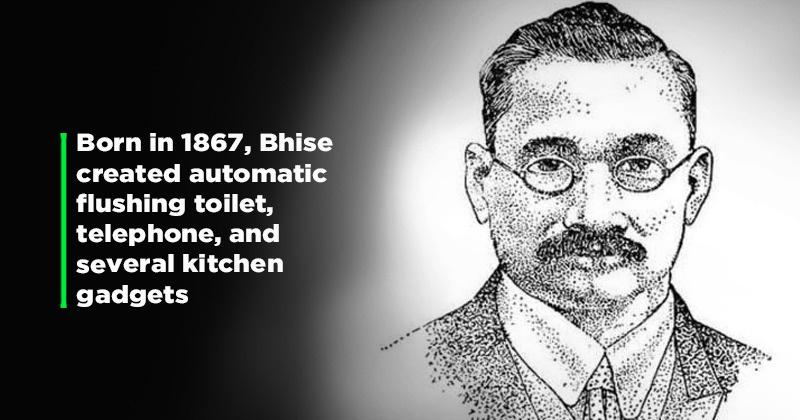
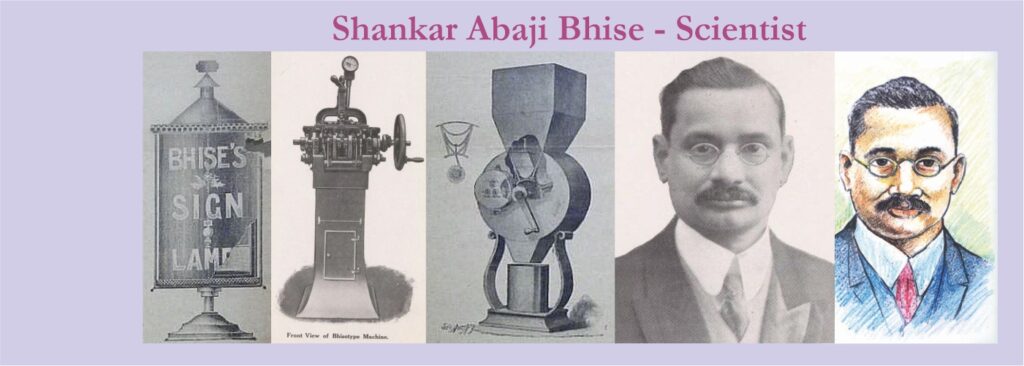
1. Shankar Abaji Bhisey

Born only a decade after the Sepoy Mutiny of 1857, Shankar Abaji Bhisey was a child prodigy who designed an indoor coal-gas generator, when he was only 14.
Hailing from Bombay, the brilliant researcher seemingly got his early exposure to global science through science magazines.

By his early 20s, he had already invented electrical bicycle contraptions, a station indicator for Bombay’s suburban railway system, tamper-proof bottles and a cutting-edge grocery weighing machine that earned him the first prize at a British inventor’s contest.

However, Bhisey is most recognised for his iconic Bhisotype, a type-casting machine that revolutionised the printing industry. In one minute, the machine could cast and assemble 1200 different types automatically.

When top researchers from Britain contested his claim, he went ahead to set up his own foundry and showcase his machine to the critics who were left spellbound by his technical prowess.

Throughout his career, Bhisey had 200 inventions and 40 patents to his name, which include a unique telephone model, kitchen appliances, automatic toilet flushers and even an early prototype of a push-up bra.

Bhisey later upgraded the Bhisotype to comprise finer features and faster performance, however, the funding for his continued research was compromised with the advent of World War I, after which he gradually faded into oblivion. He passed away on 7 April 1935, in New York at the age of 68.

2.Gopalswamy Doraiswamy Naidu

Revered as the ‘Edison of India,’ and “the wealth creator of Coimbatore” He is also called as “Miracle Man”!
GD Naidu is often credited with influencing the Industrial Revolution in India. The creator of the first electric motor in the country is also acknowledged for his wondrous inventions like the mechanical calculator, the ticket vending machine, early electric razor, fruit juice extractor, kerosene-run-fan and a projection TV.
And perhaps the most astounding fact about him was that he dropped out of school in Class 3, as he strongly detested the curriculum at school.
Born on 23 March 1893, Naidu lost his mother at birth. After dropping out of school, the young boy assisted his father on his farm. His first tryst with technology was at age 16 when he spotted a 1912 model Rudge motorcycle⁠ and was so incredibly fascinated by it, that he left home, worked as a waiter for three years and saved money to buy this bike.
After owning the bike, he did not set out on a joy ride. Instead, he chose to dismantle its parts and study the internal framework.Decades later, he would go on to own a fleet of 280 buses as the founder of Universal Motor Service (UMS).His electric company New Electric Works was the place where India’s first electric motor was manufactured. In fact, Naidu went on to the extent of starting an indigenous company for almost every new invention of his.Naidu spent most of his sunset years in philanthropy. This remarkable genius and entrepreneur passed away on 4 January 1974.

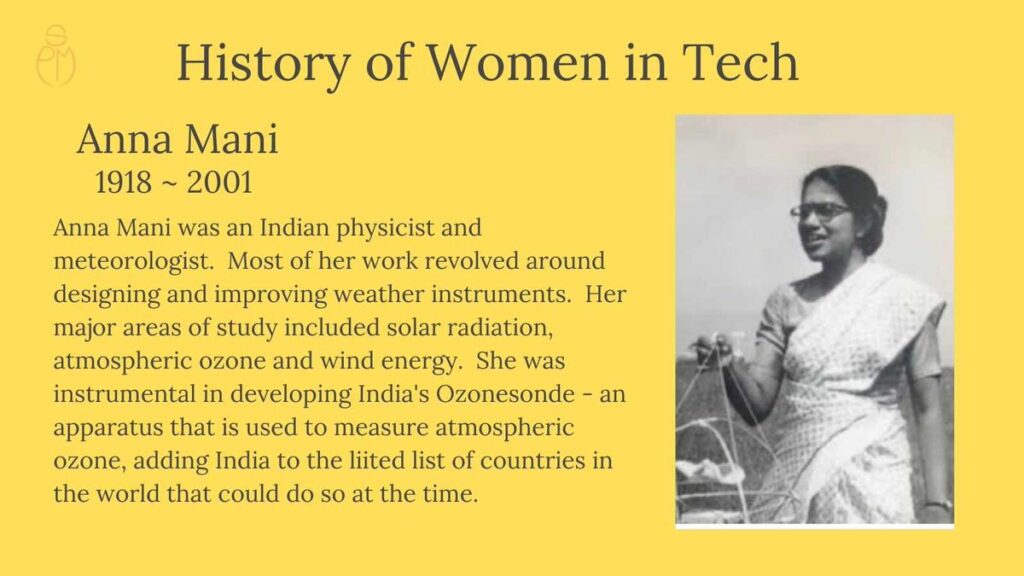
3. Anna Mani

Back in the days when women were barely visible in the scientific domain, Anna Modayil Mani from Travancore, Kerala, was a distinguished meteorologist and physicist who astounded the world with her amazing inventions.

Among other accomplishments, she devised novel methods to gauge the weather⁠—by standardising around 100 meteorological instruments—and established a series of stations to measure solar radiation.

She also pioneered the research to utilise solar and wind power as renewable sources of energy and set up her instruments in over 700 sites. Her study on ozone level measurement using her apparatus ‘ozonesonde’ is also strikingly remarkable.

Mani was born in 1918 to an affluent family, and displayed immense interest in reading and learning from her childhood. On her eighth birthday, she rejected a gift of diamond earrings and opted for a set of Encyclopaedia Britannica instead.

Inspired by Gandhiji’s principles and the ideals of Vaikom Satyagraha, Mani started wearing only khadi garments to express her solidarity with the stirring rebellion. While all her sisters got married in their adolescent years, she persisted on her wish to pursue higher studies and enrolled for an honours degree in Physics at Presidency College in Madras (Chennai).

Later, she landed the opportunity to work as a researcher in Nobel Laureate Sir CV Raman’s laboratory.

Despite her detailed thesis on the luminescence of diamonds and rubies, unfair gender biases by the Madras University barred her from earning her PhD degree.
Undeterred, she used her scholarship savings to head to Imperial College in London to pursue higher physics research and later specialised in meteorological instrumentation.

Mani returned to a newly independent India in 1948 and designed radiation instrumentation from scratch at Indian Meteorological Department, Pune. Mani is also credited for setting up a meteorological observatory and an instrumentation tower at the Thumba rocket launching facility.
Following a paralysing stroke in 1994, Anna Mani breathed her last on 16 August 2001.

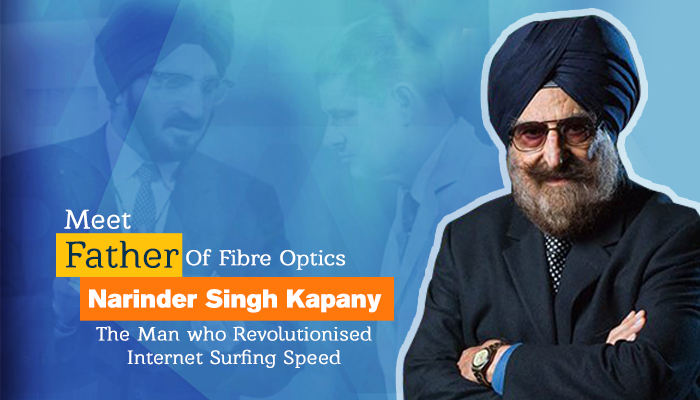
4. Narinder Singh Kapany

Considered the ‘Father of Fibre Optics’, this Punjab-born scientist’s glorifying discovery of communication through optical fibres paved the way for the ‘internet’ as well as medical marvels like laser surgeries or endoscopic imaging.

Unfortunately, Kapany’s contribution was grossly overlooked for Nobel Prize when Charles Kuen Kao was awarded the honour for furthering on Kapany’s discovery.

Born in 1927 to a Sikh family in Moga, Punjab, Kapany studied at the University of Agra and later joined Imperial College, London to conduct extensive research in technology.

It was during his PhD at this institution that Kapany succeeded in transmitting images over a bundle of optical fibres and coined the term ‘fibre optics’ in 1955, opening up an entirely new portal of Optical Physics.

He joined the University of Rochester as a faculty member and later went on to become a successful entrepreneur in Silicon Valley, USA. At present, the 92-year-old is credited for over 100 patents in his name and also runs a philanthropic organisation called the Sikh Foundation.

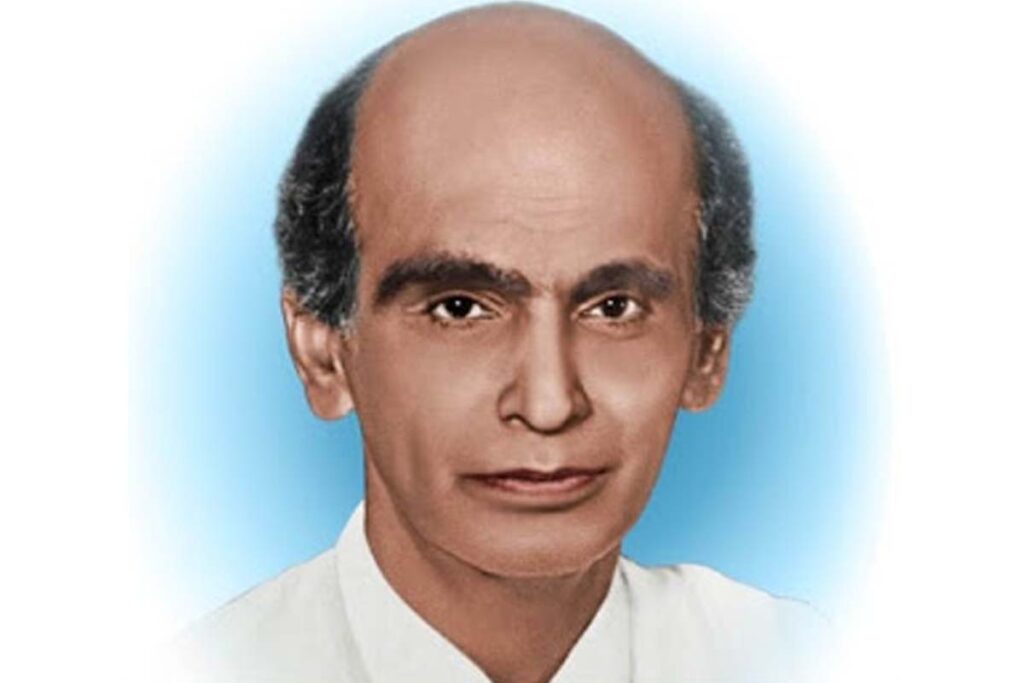
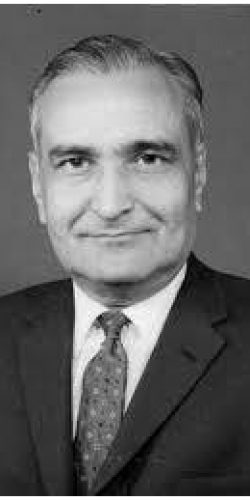
5. Dr Nautam Bhatt

This Padma Shri physicist’s name rarely features in the list of top Indian scientists though his contribution continues to inspire, influence and aid present-day physics research in India.

The founding director of Solid State Physics Laboratory, Delhi, attained unprecedented heights in defence research in India by designing the Variable Time Fuse for missiles as well as spearheading the development of helium-neon lasers, solar cells, semiconductor chips etc. which revolutionised India’s defence domain.

Born in 1909 in Gujarat’s Jamnagar, Bhatt obtained his Master’s degree in Physics under the supervision of the great Sir C V Raman at Indian Institute of Science (IISc). After earning his doctorate at the Massachusetts Institute of Technology, he returned to India and served as a professor in IISc.

Just after Independence, in 1949, he was inducted into the Defence Science Organization in Delhi, where he presented his most fascinating innovations.
Although most of his work is under the wraps owing to the strict confidentiality protocols of Defence Science Organization, his active contribution to acoustics in India must be mentioned.

Nautam_Bhatt
His Major Contributions for science and technology are:
  • Development and deployment of the VT Fuse for the Department of Defense in the mid-1960s.
  • He designed the acoustics of several moderate sized concert halls specifically for Indian Classical Music for a more natural sound.
  • He established the Solid State Physics Laboratory in Delhi and was its founding Director.
  • He established the Central Electronics Engineering Research Institute (CEERI), Pilani.
  • He founded the Electrical Communications Engineering Department at Indian Institute of Science, Bangalore.
  • He was a founding member of the Institution of Electronics and Telecommunication Engineers (IETE).

In 1969 he was awarded the prestigious Padma Shri Award by Indian President Zakir Hussain for his great work in the field of “Science and Engineering”. Dr. Bhatt designed the acoustics for several theatres and auditoriums in India, including the Odeon and Sheila Cinemas in New Delhi and the Legislative Assembly Hall in Gandhinagar, Gujarat. He was also a founding member of the Bharatiya Kala Kendra, New Delhi.


A patron and practitioner of Hindustani Classical Music, Dr Bhatt designed the acoustical features of 70 mm theatres in India like the Sheila and Odeon in Delhi and Birla Matushri Sabhagruha in Mumbai, to capture the perfect natural listening essence of Indian classical music, thereby negating the need for loudspeakers and amplifiers.

Dr Nautam Bhatt passed away in 2005.

NEST to create awareness related to the 20 challenges for India’s young scientists to solve and helps in Mobilizing Established and Struggling Scientific Community to channelize their BRAIN POWER and INNOVATIVE APTITUDE and FLARE TO INVENT in Solving these Burning Issues.

THESE ARE THE LIST OF AREAS TO BE WORKED UPON WHICH ARE THE NEED OF THE NATION !

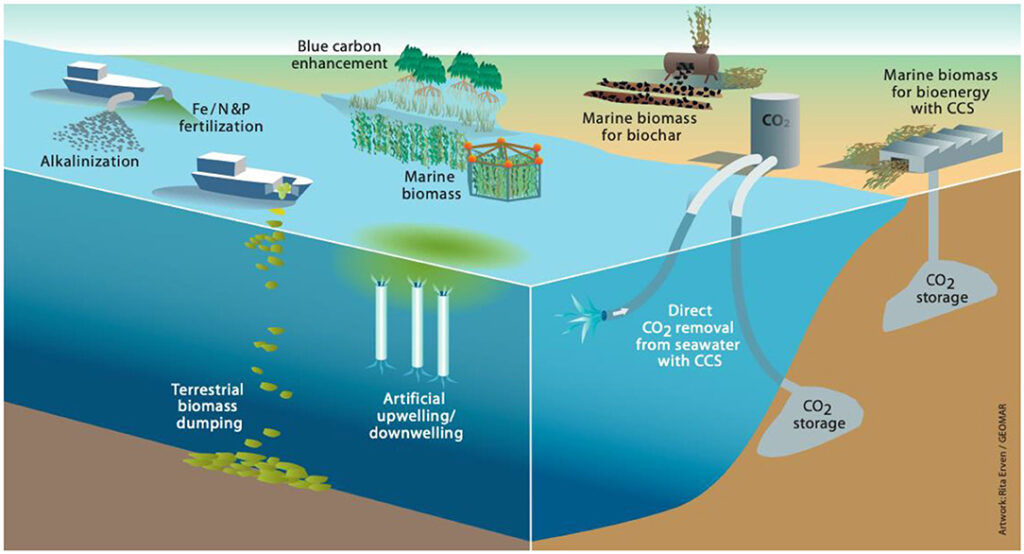
1) The new frontier of the deep sea. Need to explore and map responsibly harness the vast ocean resources of water, energy and food.

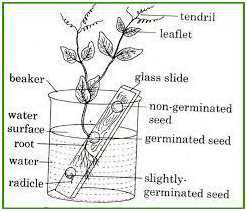
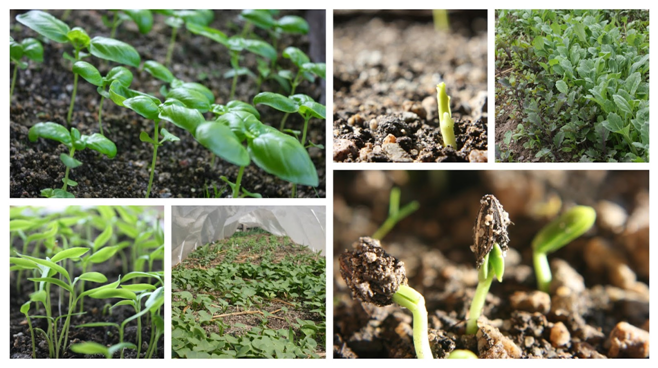
2. Need to prepare seeds which are abundant but don’t use a lot of water.

3. We know from science that potential energy — the silent form of energy — can move mountains when converted into the kinetic energy of motion. Can we build science in motion ?

4. To find a cheap and sustainable alternative to plastic in order to SAVE ENVIRONMENT ( our birds, fish and soil) to eliminate single-use plastic.

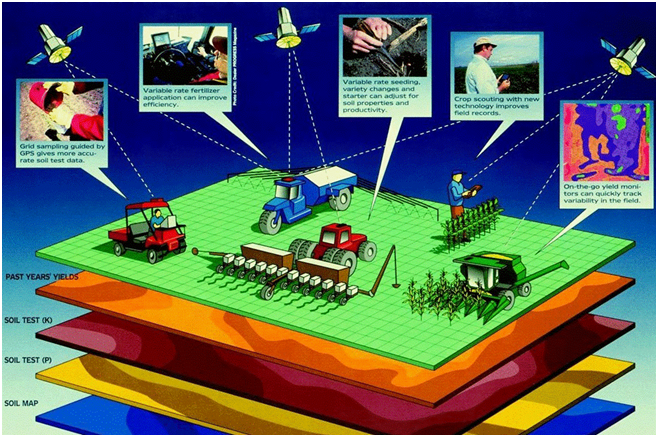
5. How to use the soil database to make day-to-day farming operations more effective ?

6. Startups implement a green, circular and sustainable economy in villages.

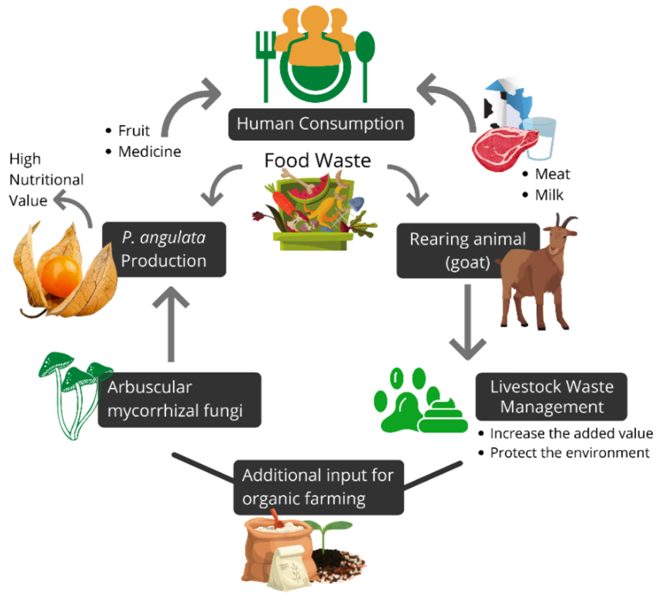
7 To turn Pollutant Waste from Household and Farms into wealth.

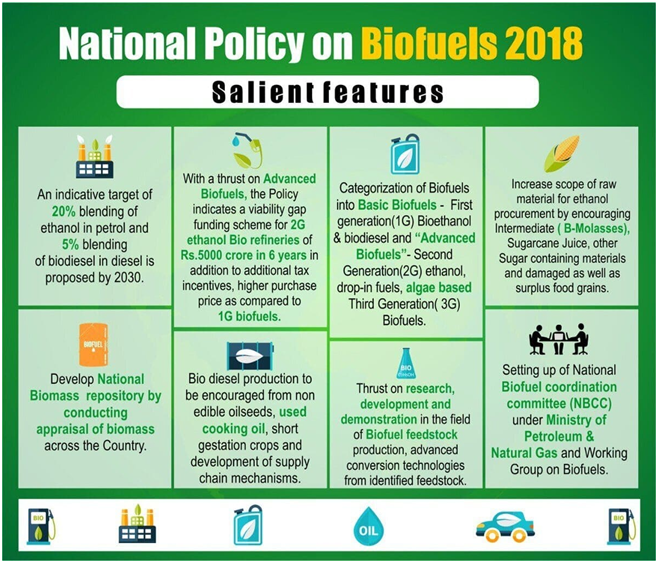
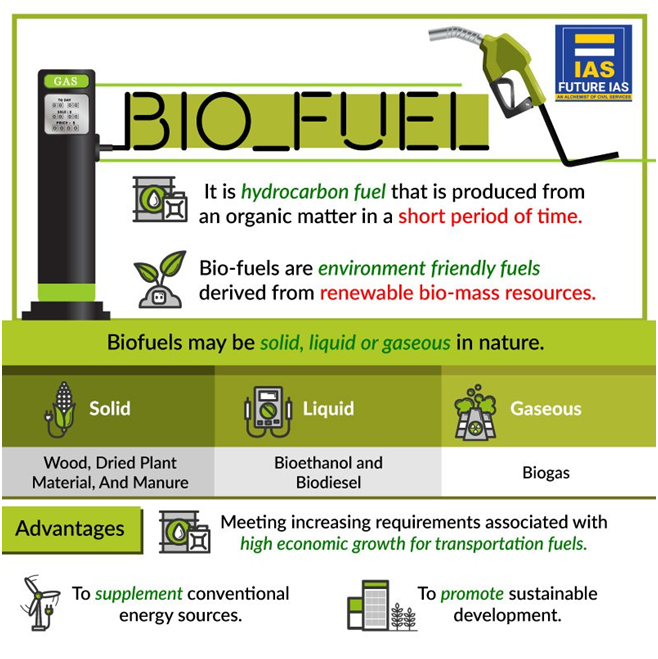
8. India’s Crude Oil Import Bill exceeds 100 Billion $.To reduce the use of crude oil opens up new opportunities in the development of bio-fuel and ethanol-blended fuel.

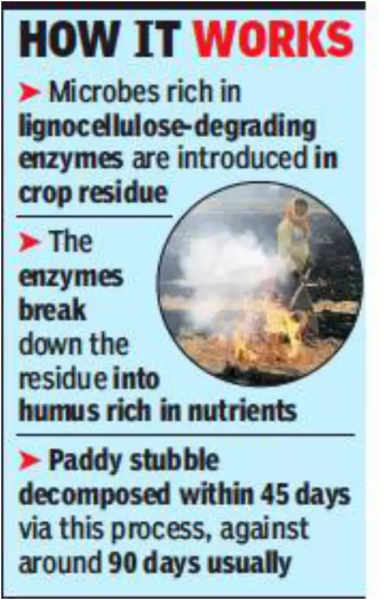
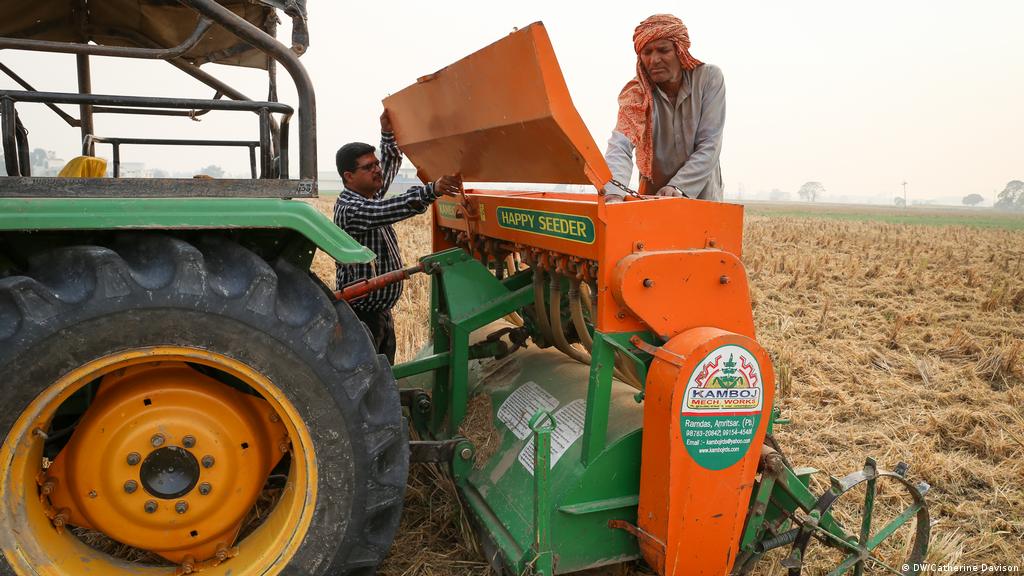
9. There is a need for a revolution in technology assisting agricultural practices. Need To find farmer-centric solutions to the problems of stock-burning.

10. The development of medical devices — to bring the fruits of advancements in diagnostics to our people.

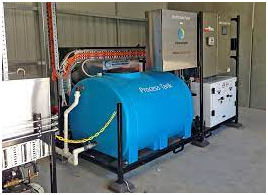
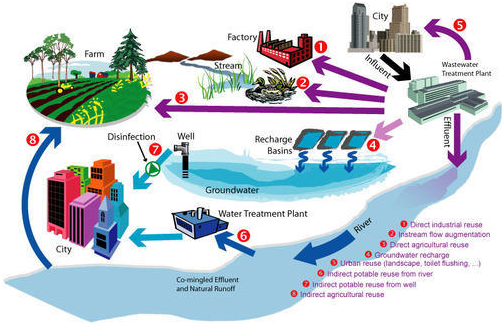
11. To design the technology for Water recycling and Reuse to become more efficient and cost-effective.

12. To Develop a longterm technology for sustainable and environment transportation.

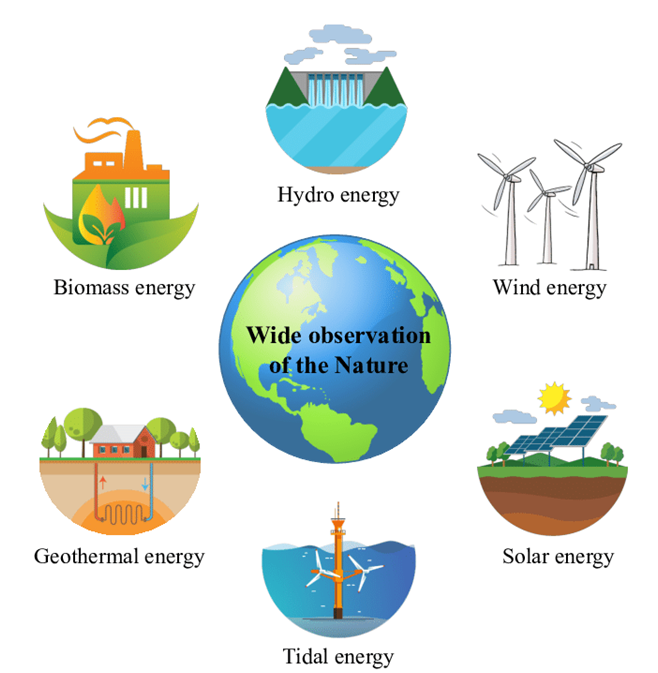
13. Development of energy storage options are increasingly significant for green management as we expand our renewable energy supply. This requires developing new battery types which are based on earth-abundant and environmentally benign materials — which are affordable and suitable for tropical climates.

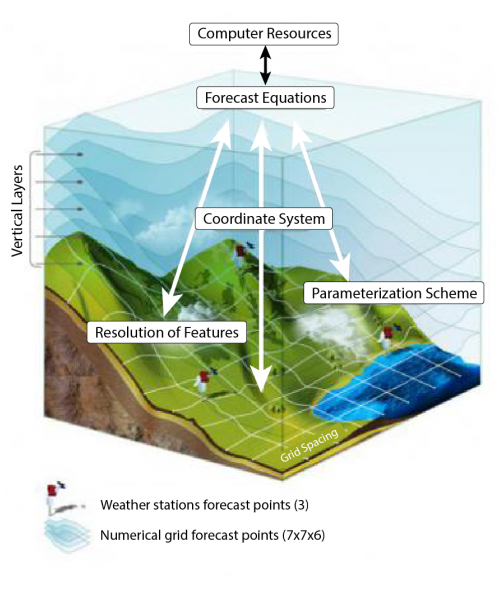
14. To Develop accurate weather and climate forecasting resulting in the economic and social benefits.

15. DRONE TECHNOLOGY

NEST in collaboration with it’s Associates are privileged to connect with many tech including Swarm Drone, Farm Assessment & management, Agri Insurance assessment, Solar farm & Wind Farm assessment, Data Science and the areas are growing by the day.


CROP & SOIL HEALTH
Crop Health
Nitrogen In Crop Map
Sulphur In Crop Map
Potassium In Crop Map
Normalized Difference Vegetation Index (NDVI)
Water Pooling (For Crop Insurance)
Hail Damage (For Crop Insurance)
Triangular Greenness Index (Exogenesis)
Row Based Plant Counting (Money Spinner)
Soil Health
Nitrogen (N)
Potassium(K)
Phosphorous (P)
Secondary Nutrient 
Sulphur (S)
Micro Nutrients
Zinc (Zn)
Iron (Fe)
Copper (Cu)
Manganese(Mn)
Boron (Bo)
Physical Parameters (On Demand)
pH
Electrical Conductivity (EC)
Organic Carbon (OC)

AERIAL IMAGERY & MAPPING
Drone Based Imagery capture
RGB
NIR & RE
4K Video
Orthomosaic& Geo tagging
3D Point Cloud
LAS files
Shape Files
3D model Overlay

WATER QUALITY MANAGEMENT
We provide quality of water bodies across the surveyed landscape. Data includes
Suspended Sediments (Turbidity)
Algae (Chlorophylls, Carotenoids)
Chemicals (Nutrients, Pesticides, Metals)
Dissolved Organic Matter (DOM)
Thermal Release
Aquatic Vascular Plants (Hyacinth Monitoring)
Pathogens
Oil Spill

Acquire images from with our Fixed
Wing or Multirotor drones using very
high end Multi or Hyper Spectral
Cameras.


Analyze and prepare an action plan
based on the type of crop, phase of the
crop& the season.


Act on the actionable intelligence
provided by our experts, this action
plan will be specific to the farm and
will be classified area wise.

16. NEST is Promoting Use Of MICROBIOLOGY to Assist the Farmers and Improving Environment and its impact On Agricultural Sector.

MIXED MICROBIAL CULTURE APPLICATIONS

AN OVERVIEW MIXED MICROBIAL CULTURE TECHNOLOGY


MIXED MICROBIAL CULTURE system includes the use of MIXED MICROBIAL CULTURE Solution
Fungi   + Bacteria + Actinomycetes
                              GIVES

A useful combination of co-existing beneficial dominated microbes such as,Fungi, Bacteria &Actinomycetes

This is the system to avoid chemical fertilizers & pesticides and also to utilize the positive microorganisms to improve the soil quality & soil health. This is not an agrochemical, so it should not be treated as such. It is a living substance, & does not contain any genetically engineered microorganism. This is a mixture of such microbial inoculums, which are found in all ecosystems throughout the world.

The MIXED MICROBIAL CULTURE Technology can be applied to almost any application, where nature is involved. It has already been applied to Agriculture, Land Remediation, Animal Husbandry, Poultry, Salinity Reduction, Aquaculture and Solid Waste Management etc. The trials are going on for Industrial Effluent Treatment, Industrial Solid Waste Treatment and Potable Water Treatment etc. We are also working for the food products based on the MIXED MICROBIAL CULTURE Technology, for Human consumption.

Special features of MIXED MICROBIAL CULTURE System

1

MIXED MICROBIAL CULTURE culture is free from all the pathogenicfamily(Pathogenic bacteria are bacteria that can cause disease. i.e. enterobacter microorganism.)


2 Additionally, it produces antibiotics, which help in suppressing harmful microbes & diseases. The MIXED MICROBIAL CULTURE Soil Treatment can eradicate the soil bound termites in 2-3 weeks time.
3 It enables the azotobacter family microbes from local environment to grow faster& fixes atmospheric nitrogen & improves the physical properties of soil. It enhances crop yield & growth.
4 It utilizes the sugar contents & increases its number, changing the usable carbon source. It prevents crop injury caused by complex organic matter like Lignin & cellulose hard to be decomposed by accelerating their decomposition.
5 It improves the photosynthesis capabilities of the crop & it enriches the soil with the required nutrients.
6 It accelerates the germination of seeds & stimulates crop rotational effects
7 MOST importantly; it can break the salts of the water & soil by chelation. The mineral part of the salts is converted in to chelated organic salt of organic acid, hence, can be utilized by the plant / crop it-self. The reduction of salt in the soil can be observed in 2 weeks time.
 
8 MIXED MICROBIAL CULTURE’srevolutionary MIXED MICROBIAL CULTURE Secondary Culture (MIXED MICROBIAL CULTURE-SC) method makes it happen. SC multiplies MIXED MICROBIAL CULTURE &gram+ve local microbial colonies up to 1000 times and dominates the local ecology with gram+ve colonies. Thus, suppressing the pest & other gram-ve colonies & enhances health of local ecology. This leads to sudden change in soil pH, increase in humus, decomposition of organic matter, production of natural enzymes & amino acids, bio-availability of minerals & nutrition etc. All such simultaneous activities bring in ‘Ecological Balance’ in less than 3 weeks time.  

COMPARATIVE ANALYSIS

Monocultures(contains one and only one type of organism)/Other Technologies Co-culturedMixed Microbial Culture
Varying Environment When the monocultures are applied in the field, it has number of limitations like temperature, pH, RH etc. As the field environment may be varying like temperature from 5o to 45o C, soil pH from 5.5 to 10.5, RH from 30% to 95%. The required results cannot be achieved with Monocultures. In case of Co-culturedMixed Microbial Culture, there are no limiting factors like temperature, pH, RH etc. In any environmental conditions, at least one species can be activated. The growth of the species can change the environment in such a direction that the whole Consortia can work efficiently.
Synergy Effect No Synergy effect Additionally, as it’s co-cultured, it has the inherent capability to work in synergy. Apart from its own group of specie, it will dominate the whole strata of naturally occurring local microbes& create an additional synergy to hasten up the decomposition process.
Example if the pH of the soil is 9.5, monocultures can not work. MIXED MICROBIAL CULTURE Microbes along with local microbes will bring down the pH by producing amino acids from the decomposition of organic matter. Thus, the pH will remain in the range of 6.0 to 8.0, where the bio-availability of the nutrients can be maximized.
Time Factor It can take months to get the desired result. Measurable & visible results of MIXED MICROBIAL CULTURE Applications can be observed in less than 3 weeks time. Whether it’s decomposition of Organic matter, conversion of wasteland in to fertile land, balancing of soil pH, soil or air borne fungal attack or control of virus in some crops, it takes only 2-3 weeks time. Generally, all such problems cannot be addressed fully or effected crops cannot be recovered by conventional methods or it can be addressed in such a short time. Due to synergy, it hastens the decomposition of organic materials at a very fast rate, enabling the compost to be prepared in as less as 15 to 20 days.  
51/103 MOO 4, PHETKASEM ROAD, SAMPRAN NAKHON PHATHOM, THAILAND 73110
Opening Hours:

Mon – Sat: 8.00 am – 7:00 pm

BEST CHOICE PRODUCTS

PRODUCT CATEGORY

WE ARE SOCIAL