- IMPACT OF DEFENCE
IN INDIAN HISTORY HIGHLIGHTING THE VALUE OF DEFENCE
IMPACT OF DEFENCE
IN INDIAN HISTORY HIGHLIGHTING THE VALUE OF DEFENCE
AWARENESS RELATED TO COMING FUTURISTIC PROJECTS OF INDIAN DEFENCE AND EFFORTS TO BUILD MADE-IN-INDIA DEFENCE INDUSTRY MAKING US SELF RELIANT
AWARENESS RELATED TO IMPORTANCE OF DRDO AND OTHER DEFENCE RESEARCH WINGS AND ENSURING BEST INDIAN BRAINS APPLY THEMSELVES IN THE WORLD OF INNOVATION AND TECHNOLOGY TO MAKE INDIA STRONGER.
CURRENT STRENGTH AND BRANCHES OF INDIAN DEFENCE
AWARENESS REGARDING ENTRY INTO INDIAN DEFENCE SERVICES
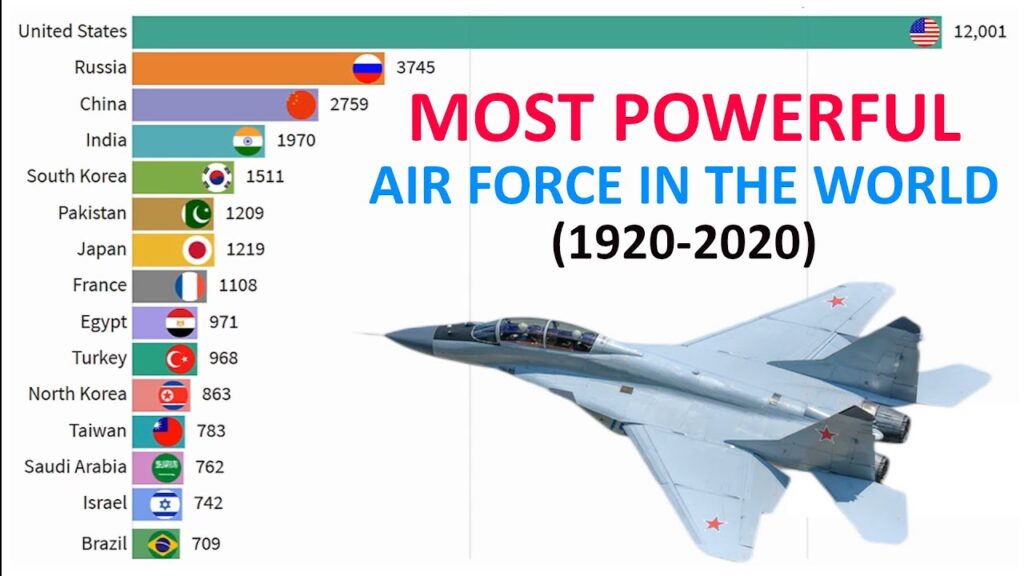
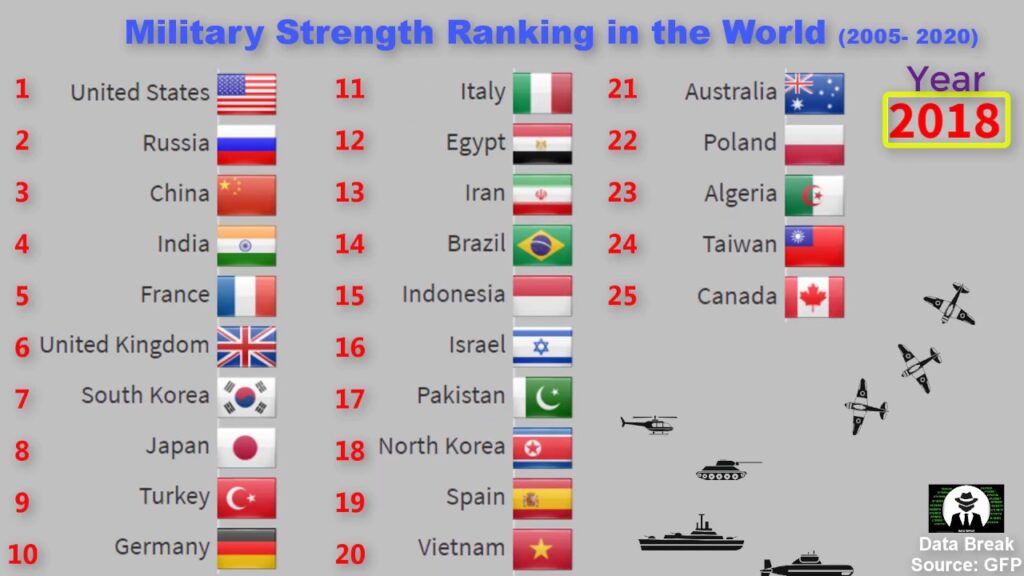
GLOBAL RANKING OF INDIAN DEFENCE
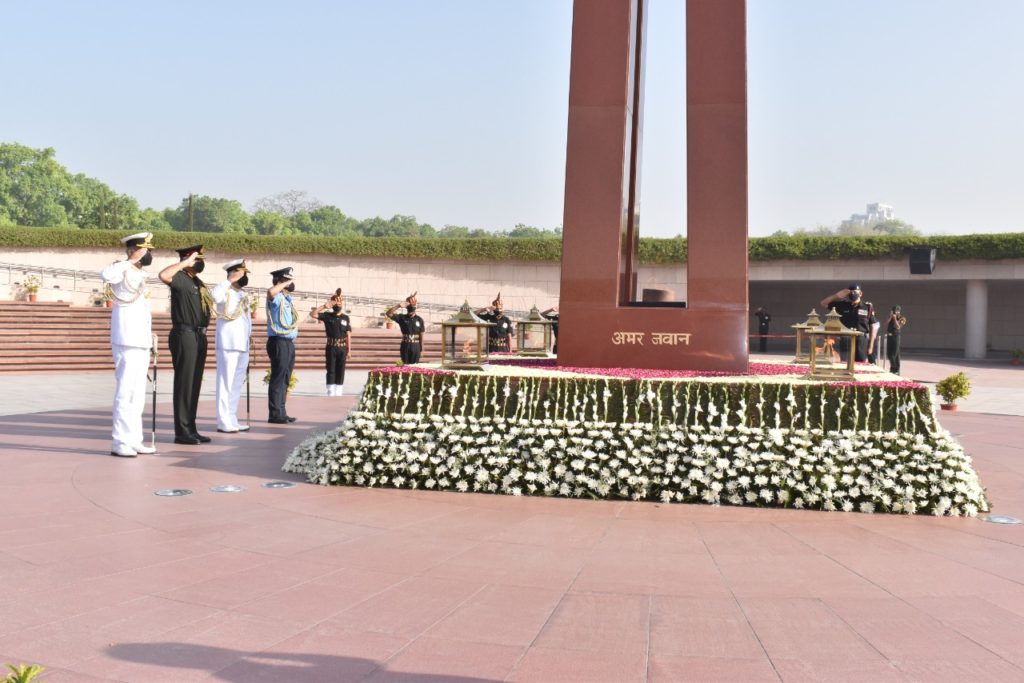
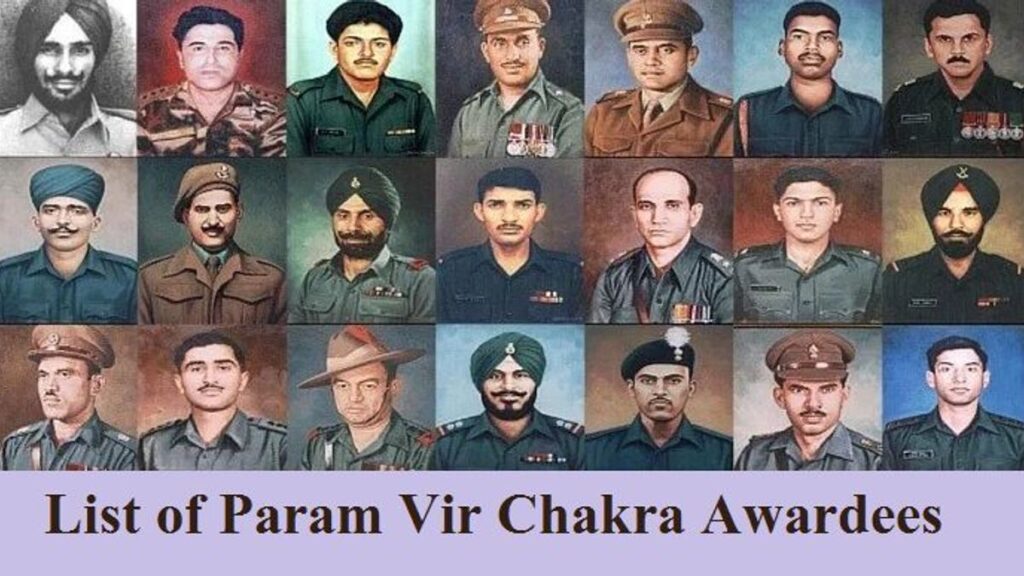
AWARENESS REGARDING SACRIFICES MADE BY OUR BRAVE SOLDIERS
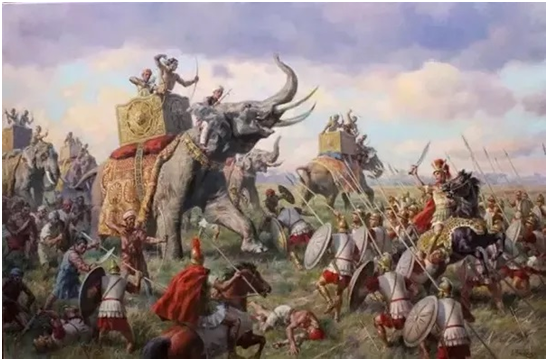
Alexander the Great was the first person to invade India when he successfully captured the Paurava Kingdom in the Western Punjab province.
He declared himself the king and lowered the status of the then king to the governor of Punjab. Alexander considered attacking the Nanda Empire but withdrew after learning that the empire had a large army.
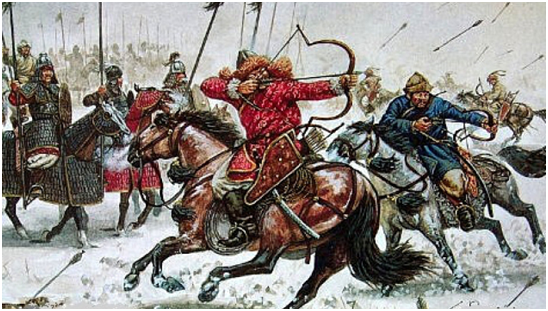
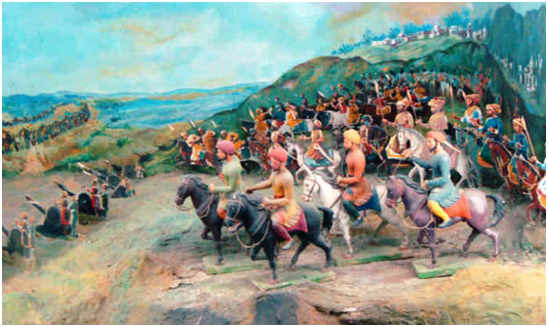
Invasions of Arab / TURKS / PERSIAN / MOGOUL EMPIRE AFTER the Eleventh Century:
The Conquests in the Indian subcontinent mainly took place from the 13th to 17th centuries. Earlier conquests include the invasions into what is now modern-day Pakistan and the Umayyad campaigns in India, during the time of the Rajput Kingdoms in the 8th century.The Muslim conquests in the Indian subcontinent mainly took place from the 13th to 17th centuries. Earlier Muslim conquests include the invasions into what is now modern-day Pakistan and the Umayyad campaigns in India, during the time of the Rajput Kingdoms in the 8th century.
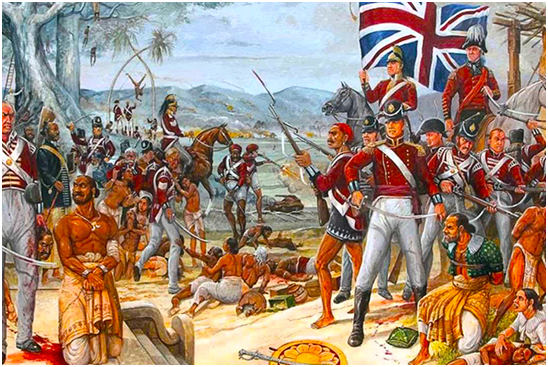
The Romans were the first Europeans to reach India, but the collapse of the Empire led to the rise of other empires in the Indian subcontinent. In 1498, the Ottoman Empire closed the route to the Far East forcing the Portuguese to seek an alternative way. The Portuguese sailed around Africa and landed in present-day Kerala. They established a trade route across India until the Dutch arrived and established the Dutch East India Company. The French and the British subsequently developed trading bases in the continent. In 1858, the British formally declared India its colony by establishing the British Raj. The Raj was a response by the British after the Indian Rebellion of 1857. The British colonized India until 1947 when they partitioned the colony into the present-day states of India and Pakistan.
To Ensure Our Nation Does not Loose Militarily Due To External Invasions Indian Armed Forces Is CORE FORCE Of the Nation which Ensures and Maintains It’s MILITARILY CAPABILITY which is the BASE for Political , Economic, Religious, Cultural and Social Freedom of Our Country.
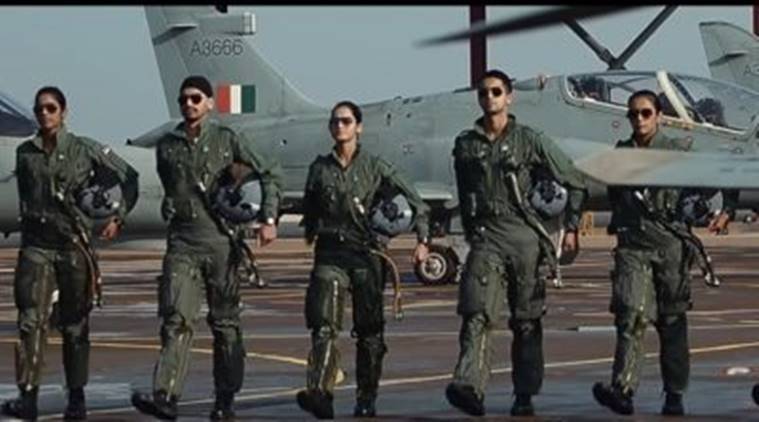
The Indian Armed Forces are the military forces of the Republic of India. It
consists of three professional uniformed services: the Indian Army, Indian Navy, and Indian Air Force. Additionally, the Indian Armed Forces are supported by the Central Armed
Police Forces, Assam Rifles, Indian Coast Guard and Special Frontier Force and various
inter-service commands and institutions such as the Strategic Forces Command, the Andaman and Nicobar Command and the Integrated Defence Staff.
The President of India is the Supreme Commander of the Indian Armed Forces but
the executive authority and responsibility for national security is vested in the Prime
Minister of India and their chosen Cabinet Ministers.The Indian Armed Forces are under the management of the Ministry of Defence (MoD) of the Government of India. With strength of
over 1.4 million active personnel, it is the world’s second-largest military force and has the world’s largest volunteer army.It also has the third-largest defence budget in the
world.The Global Firepower Index report lists it as the fourth most-powerful military.
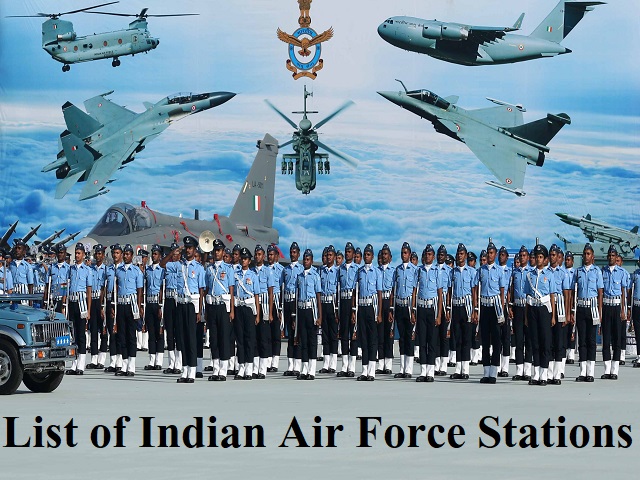
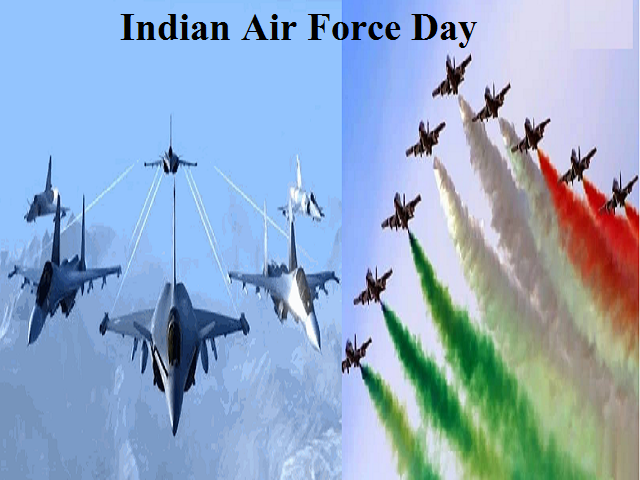
Historically, the IAF has generally relied on Soviet, British, Israeli
and French military craft and technology to support its growth. IAF’s primary air
superiority fighter with the additional capability to conduct air-ground (strike) missions is Sukhoi Su-30MKI. The IAF have placed an order for a total of 272 Su-30MKIs of which 205 are in service as of May 2015. The Mikoyan MiG-29 is a dedicated air superiority fighter,
and constitutes a second line of defence after the Sukhoi Su-30MKI. At present, 66 MiG-29s are in service, all of which are being upgraded to the MiG-29UPG standard. The Dassault Mirage 2000 is the primary multirole fighter in service and the IAF operates 49 Mirage 2000Hs which are being upgraded to the Mirage 2000-5 MK2 standard.
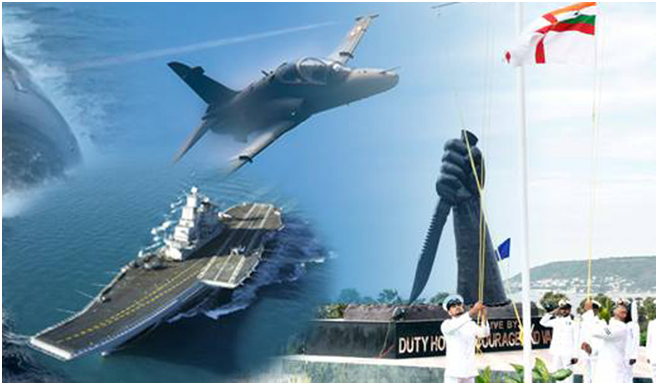
The Indian Navy is the naval branch of the Indian armed forces. With 58,350 men and women, including 7,000 personnel of the Indian Naval Air Arm, 1,200 Marine Commandos (MARCOS) and 1,000 personnel of the Sagar Prahari Bal.The Indian Navy is one of the world’s largest naval forces and developed into a blue water navy. The Indian Navy has a large operational fleet consisting of 2 aircraft carriers, 1 amphibious transport dock, 9 Landing ship tanks, 10 destroyers, 14 frigates, 1 nuclear-powered attack submarine, 14 conventionally-powered attack submarines, 24 corvettes, 6 mine countermeasure vessels, 25 patrol vessels, 4 fleet tankers and various auxiliary vessels.
1. HAL AMCA
The Advanced Medium Combat Aircraft (AMCA) is an Indian programme to develop a stealth, multirole, air superiority fighter for the Indian Air Force and the Indian Navy which willalso include 6th Generation niche technologies.
The design of the aircraft is carried out by Aeronautical Development Agency (ADA), an aircraft design and development agency constituted under Defence Research and Development Organisation (DRDO).
It is expected to be produced by a public-private joint venture between the DRDO, Hindustan Aeronautics Limited (HAL), and an Indian private company. The development cost is estimated to be around 15,000 crore.

The HAL Tejas Mark 2, or Medium Weight Fighter <B(MWF), is an Indian single-engine, canard delta wing, multirole combat aircraft designed by the Aeronautical
Development Agency (ADA) in collaboration with Aircraft Research and Design Centre (ARDC) of Hindustan Aeronautics Limited (HAL) for the Indian Air Force (IAF). It is a further development of the HAL Tejas, with an elongated airframe, close coupled canards, new sensors, and a more powerful engine.


INS Vishal, also known as Indigenous Aircraft Carrier 2 (IAC-2), is a planned aircraft carrier to be built by Cochin Shipyard Limited for the Indian Navy. It is intended to be the second aircraft carrier to be built in India after INS Vikrant (IAC-1). The proposed design of the second carrier class will be a new design, featuring significant changes from Vikrant, including an increase in size and displacement. An Electromagnetic Aircraft Launch System (EMALS) CATOBAR system is also under consideration.[8] Its name Vishal means ‘giant’ in Sanskrit.


INS Vikrant, also known as Indigenous Aircraft Carrier 1 (IAC-1), is an aircraft
carrier constructed by the Cochin Shipyard Limited (CSL) for the Indian Navy. It is the
first aircraft carrier to be built in India. It is named ‘Vikrant’ as a tribute to India’s first aircraft carrier, Vikrant (R11).


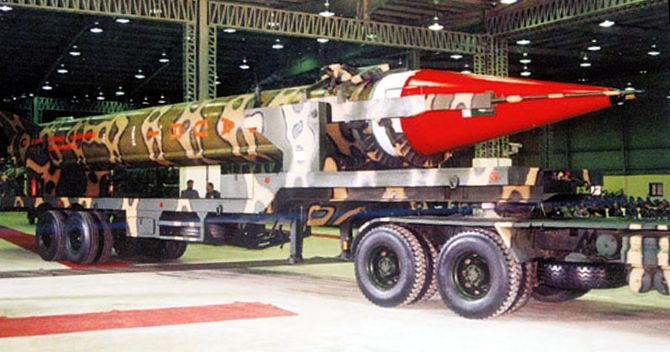
Agni-VI is an MIRV-capable intercontinental ballistic missile developed by the Defence Research and Development Organisation (DRDO) for the Strategic Forces Command (SFC) of the Indian Armed Forces.

According to the report, the Surya is an intercontinental-range, surface-based, solid and liquid propellant ballistic missile. The report further adds that Surya is the most ambitious project in India’s Integrated Guided Missile Development Programme. The surya missile is more of strategic in nature due to its capabilities and thus gives enemy mutually assured destruction. The Surya is speculated to have a range of more than 12,000 kilometres, which brings almost all major nations of the world in its range.
It is to be a three-stage design, with the first two stages using solid propellants and the third-stage using liquid. The first stage is speculated to be borrowed from Polar Satellite Launch Vehicle (PSLV).

BrahMos-II or BrahMos-2 or BrahMos Mark II (note:Not to be confused with the BrahMos block II) is a hypersonic cruise missile currently under joint development by India’s Defence Research and Development Organisation and Russia’s NPO Mashinostroyenia, which have together formed BrahMos Aerospace Private Limited. It is the second of the BrahMos series of cruise missiles. The BrahMos-II is expected to have a range of 1,000 kilometres (620 mi; 540 nmi) and a speed of Mach 8.


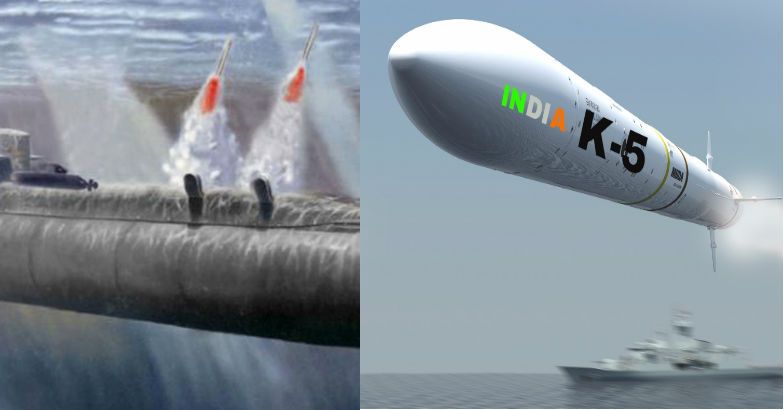
K-5 is a submarine-launched ballistic missile under development by Defence Research and Development Organisation of India. The missile has a planned range of around 5,000-6,000 kilometres.
The Indian Ballistic Missile Defence Program is an initiative to develop and deploy a multi-layered ballistic missile defence system to protect India from ballistic missile attacks. Phase 1 has been successfully tested and completed and deployment awaits final official permission. Phase 2 is under development
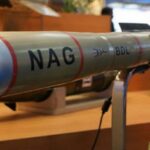
The Nag missile for the land-attack version, is an Indian third-generation, all-weather, fire-and-forget, lock-on after launch, anti-tank guided missile (ATGM) with an operational range of 500 m to 20 km. It has a single-shot hit probability of 90%] and a ten-year, maintenance-free shelf life.


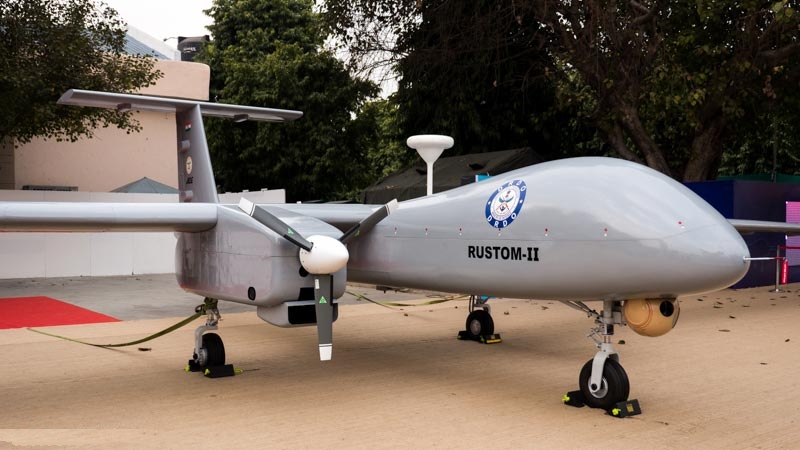
The DRDO Rustom is a Medium Altitude Long Endurance unmanned air vehicle (UAV) being developed by Defence Research and Development Organisation for the three services, Indian Army, Indian Navy and the Indian Air Force of the Indian Armed Forces. Rustom is derived from the NAL’s LCRA (Light Canard Research Aircraft) developed by a team under the leadership of late Prof Rustom Damania in the 1980s. The UAV will have structural changes and a new engine.
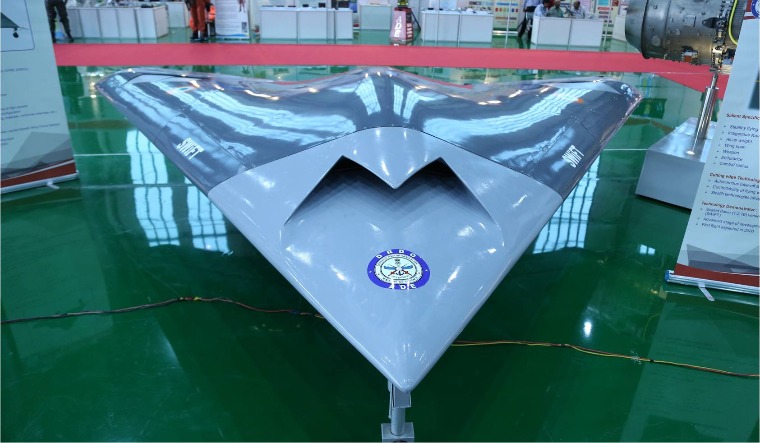
Ghatak is an autonomous stealthy unmanned combat air vehicle (UCAV), being developed by Aeronautical Development Establishment (ADE) of Defence Research and Development Organisation (DRDO) for the Indian Air Force.[2][3] The design work on the UCAV is to be carried out by Aeronautical Development Agency (ADA). Autonomous Unmanned Research Aircraft (AURA) was a tentative name for the UCAV.
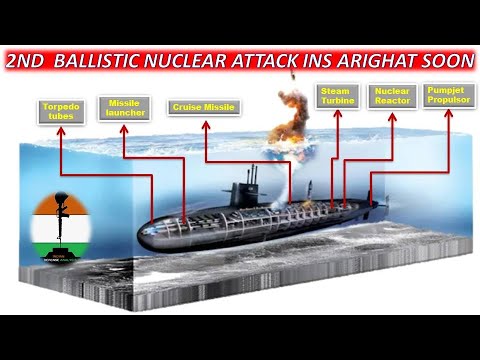
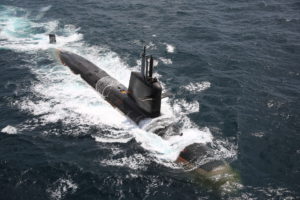
INS Arighat is an upgraded variant of the Arihant-class submarine.It is the second nuclear-powered ballistic missile submarine being built by India under the Advanced Technology Vessel (ATV) project to build nuclear submarines at the Ship Building Centre in Visakhapatnam.
The DRDO Airborne Early Warning and Control System (AEW&CS) is a project of India’s Defence Research and Development Organisation to develop an airborne early warning and control system for the Indian Air Force. It is also referred to as NETRA Airborne Early Warning and Control System (AEW&CS).
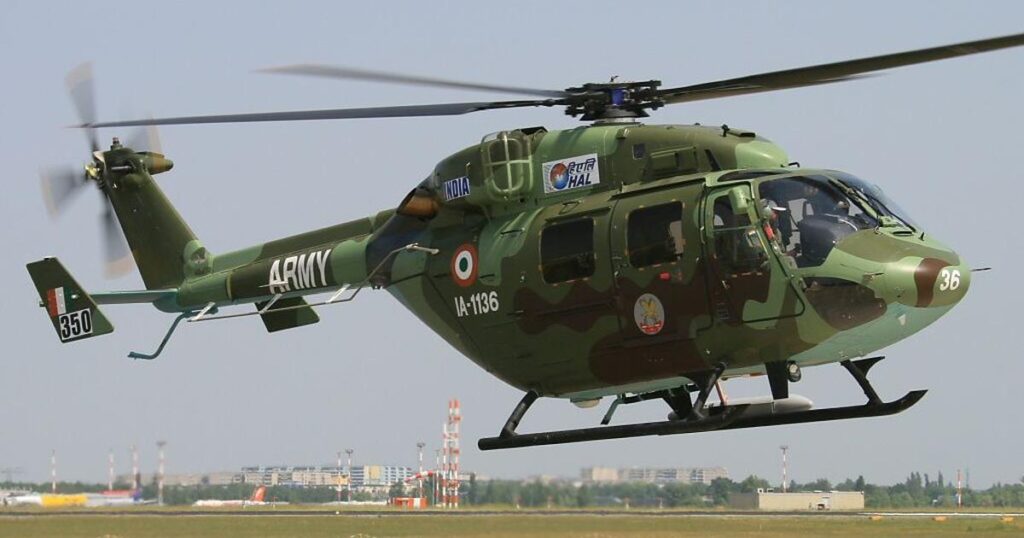
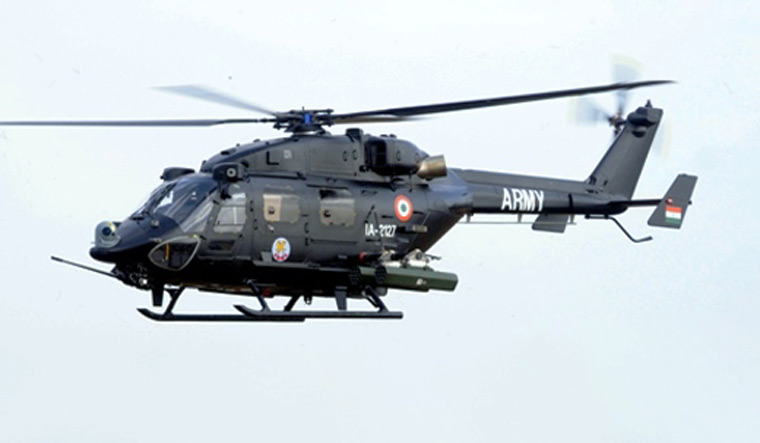
LIGHT COMBAT HELICOPTER LCH
The HAL Light Combat Helicopter (LCH) is an Indian multi-role attack helicopter designed and manufactured by the Hindustan Aeronautics Limited (HAL). The LCH has been ordered by the Indian Air Force and the Indian Army. Its flight ceiling is the highest among all attack helicopters.
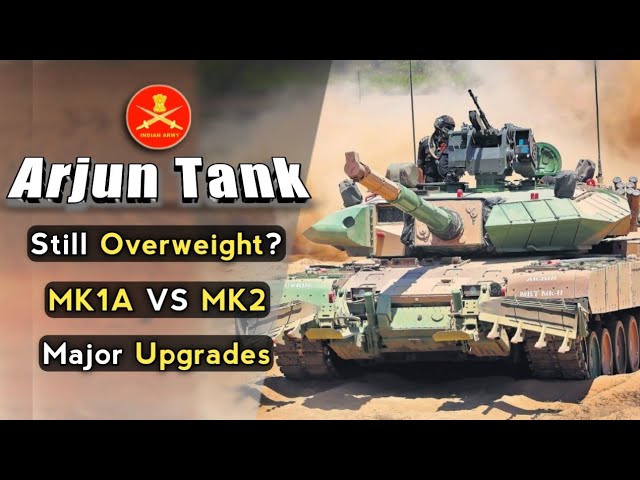
Variably referred to as the Arjun MK2, Next Generation Main Battle Tank (NGMBT) or Future MBT (FMBT), the FMBT is an upcoming main battle tank developed by DRDO for the Indian Army. The FMBT is designed to be considerably lighter than Arjun variants, planned to be equipped with advanced electro-optical sight systems and possibly a high power laser-based weapon system in addition to the main gun.The type and calibre of the main gun has not been decided yet but according to the DRDO the FMBT will have a main gun capable of firing high velocity projectiles at a longer distance. The FMBT will also have network-centric warfare capabilities.
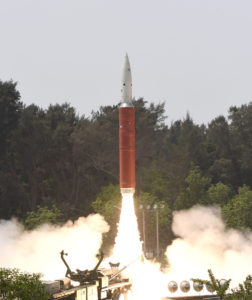
The ASAT test utilized a modified anti-ballistic missile interceptor code-named Prithvi Defence Vehicle Mark-II which was developed under Project XSV-1. The test made India the fourth country after the United States, Russia and China to have tested an ASAT weapon.
It is also known that DRDO is working on a slew of directed energy weapons (DEWs) and has identified DEWs, along with space security, cyber-security, and hypersonic vehicles/missiles as focus areas in the next 15 year.
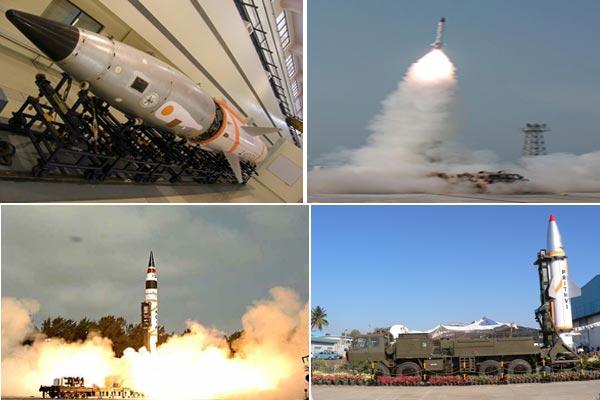
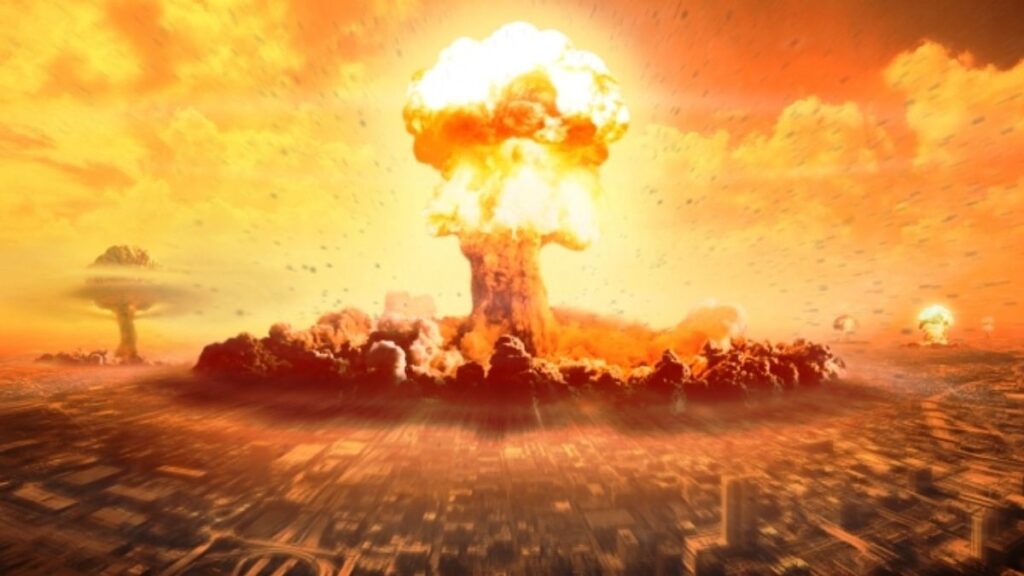
India has been in possession of nuclear weapons since 1974. Its most recent nuclear test took place on 11 May 1998, when Operation Shakti (Pokhran-II) was initiated with the detonation of one fusion and three fission bombs. On 13 May 1998, two additional fission devices were detonated. However, India maintains a “no-first use” and a nuclear deterrence policy against nuclear adversaries.Its nuclear doctrine envisages building a credible minimum deterrent for maintaining a “second strike capability” which would be massive and designed to induce unacceptable damage on the enemy.] India is one of only four nations in the world to possess a Nuclear triad. India’s nuclear missiles include the Prithvi, the Agni the Shaurya, the Sagarika, the Dhanush, and others. India conducted its first test with the Agni-V in April 2012 and a second test in September 2013. With its 5,000 kilometres (3,100 mi) range, it can carry a nuclear warhead to the east to include all of China, and to the west deep into Europe. Agni-VI, with a perceived range of 6,000–8,000 kilometres (3,700–5,000 mi) is also under development with features like multiple independently targetable re-entry warheads (MIRVs).
The vast majority of soldiers in Indian Army are enlisted personnel, called by the Army as Soldier, general duty. These soldiers are recruited at different recruitment rallies across the country. At these rallies, Army recruiters look at candidates from surrounding districts and examine their fitness for the Army. Candidates for Soldier, general duty must have Class 10 Leaving Certificate and in the range of 17 to 21 years. The Army also does online applications to appear at recruitment rallies. Requirements for technical roles, like nurses, artillery, Missile Defense have more stringent educational requirements. The least restrictive job in Army is House Keeper and Cleaner, for which candidates only have to be 8th pass.
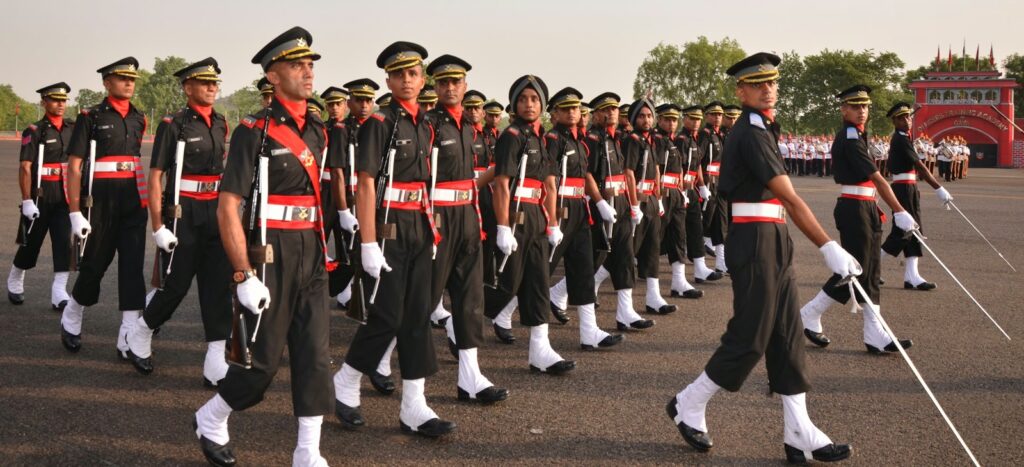
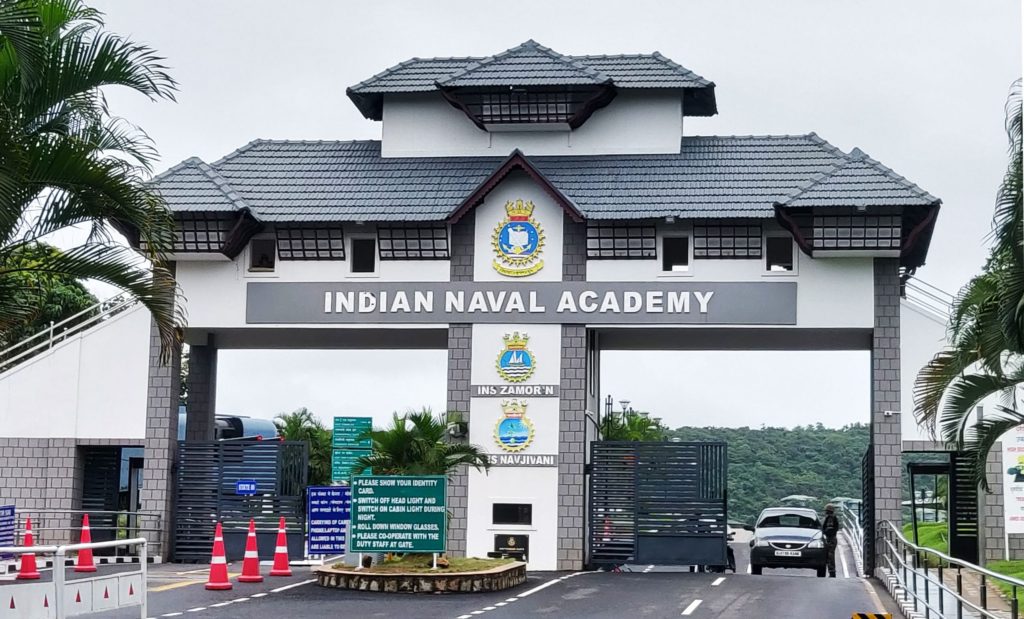
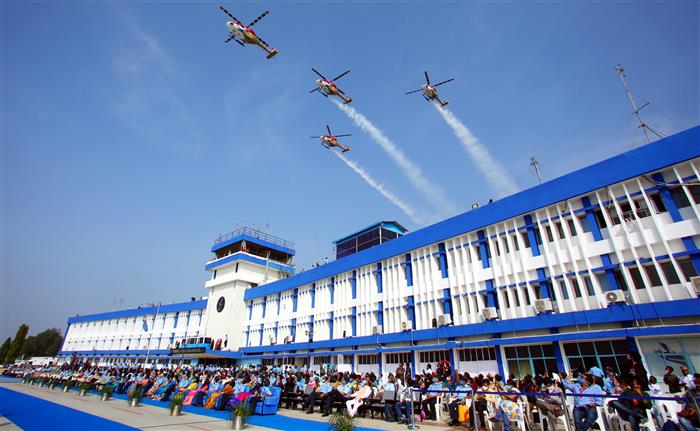
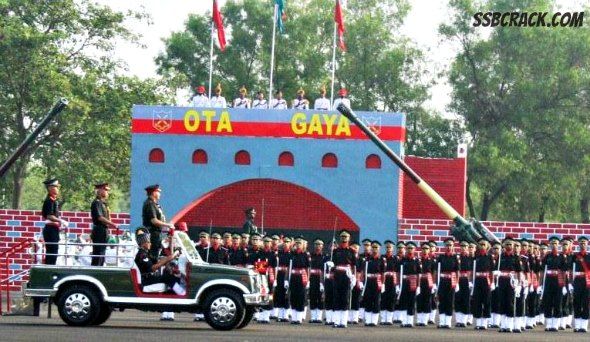
At the rally, prospective soldiers are evaluated for height, weight, vision and hearing, and physical fitness. Fitness tests include a 1.6 km Run, Pull Ups, jumping a 9 Feet ditch, and doing a zig zag balance test. After recruitment rally, accepted candidates go to Basic Training.The Indian Armed Forces have set up numerous military academies across India for training personnel. Military schools, Sainik Schools, and the Rashtriya Indian Military College were founded to broaden the recruitment base of the Defence Forces. The three branches of the Indian Armed Forces jointly operate several institutions such as:
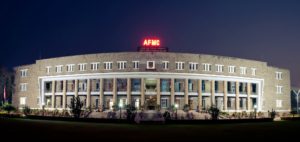
The Armed Forces Medical College (AFMC) at Pune is responsible for providing the entire pool of medical staff to the Armed Forces by giving them in-service training.
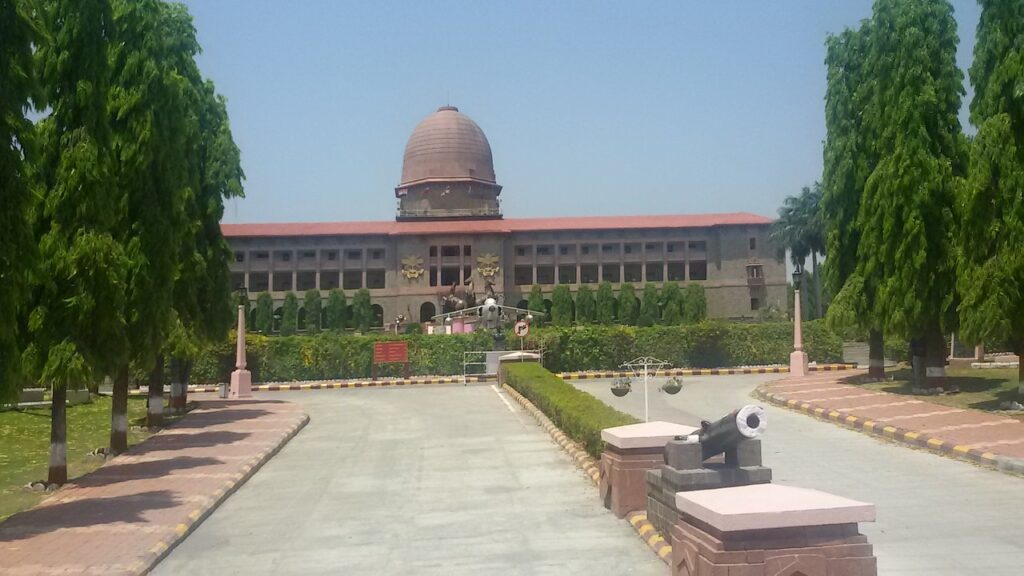
Officer recruitment is through many military-related academies. Besides the tri-service National Defence Academy, Pune, the three services have their own training institutes for this purpose. These include: the Indian Military Academy, Dehradun,
After being commissioned, officers are posted and deputed, and are at the helm of affairs not only inside India but also abroad. Officers are appointed and removed only by the President of India.
Sacrifices made by soldiers during the 1961 Liberation of Goa, 1965 War with China, 1971 Bangladesh war, 1999 kargil war and Currently Laddakh Front is a Source of Inspiration for all Indians and the Nation Will always remember them.
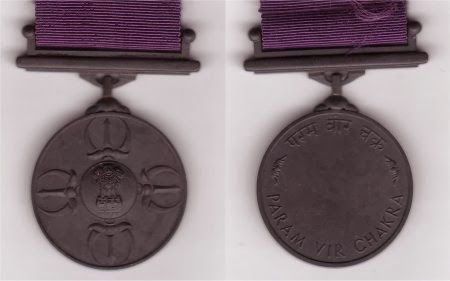
The Param Vir Chakra (PVC) is India’s highest military decoration, awarded for displaying distinguished acts of valour during wartime.Param Vir Chakra translates as the “Wheel of the Ultimate Brave”, and the award is granted for “most conspicuous bravery in the presence of the enemy”. As of January 2018, the medal has been awarded 21 times, of which 14 were posthumous and 16 arose from actions in Indo-Pakistani conflicts. Of the 21 awardees, 20 have been from the Indian Army, and one has been from the Indian Air Force. Major Somnath Sharma, was the first recipient. A number of state governments of India as well as ministries of the central government provide allowances and rewards to recipients of the PVC (or their family members in case of the recipient’s death).
1. Defence Research and Development Organisation (DRDO)
DRDO was established in 1958 after combining Technical Development Establishment (TDEs) of the Indian Army and the Directorate of Technical Development & Production (DTDP) with the Defence Science Organisation (DSO).
Starting with 10 laboratories, DRDO has now grown to a network of 52 laboratories which are deeply engaged in developing defence technologies covering various disciplines, like aeronautics, armaments, electronics, combat vehicles, engineering systems, instrumentation, missiles, advanced computing and simulation, special materials, naval systems, life sciences, training, information systems and agriculture.
Presently, the Organisation is backed by over 5000 scientists and about 25,000 other scientific, technical and supporting personnel.
Several major projects for the development of missiles, armaments, light combat aircrafts, radars, electronic warfare systems etc are on hand and significant achievements have already been made in several such technologies.
Design, develop and lead to production state-of-the-art sensors, weapon systems, platforms and allied equipment for our Defence Services.
Provide technological solutions to the Services to optimise combat effectiveness and to promote well-being of the troops.
Develop infrastructure and committed quality manpower and build strong indigenous technology base.
The Aeronautical Development Agency (ADA) under Department of Defence Research and Development (DR&D) of India’s Ministry of Defence was established at Bangalore, in 1984 to oversee the development of the nation’s Light Combat Aircraft (LCA) programme. It has developed HAL Tejas and is developing HAL AMCA, HAL TEDBF and DRDO Ghatak.
Mon – Sat: 8.00 am – 7:00 pm