Open Hours: Mon - Sat 8.00 am - 7.00 pm

AGRO-ECOLOGICAL SERVICES

AGRO-ECOLOGICAL SERVICES : INTEGRATING ENVIRONMENTAL CARE WITH AGRICULTURE

Today’s food and agricultural systems have succeeded in supplying large volumes of food to global markets. However, high-external input, resource-intensive agricultural systems have caused massive deforestation, water scarcities, biodiversity loss, soil depletion and high levels of greenhouse gas emissions. Despite significant progress in recent times, hunger and extreme poverty persist as critical global challenges. Even where poverty has been reduced, pervasive inequalities remain, hindering poverty eradication. Integral to FAO’s Common Vision for Sustainable Food and Agriculture, Agro-ecology is a key part of the global response to this climate of instability, offering a unique approach to meeting significant increases in our food needs of the future while ensuring no one is left behind.
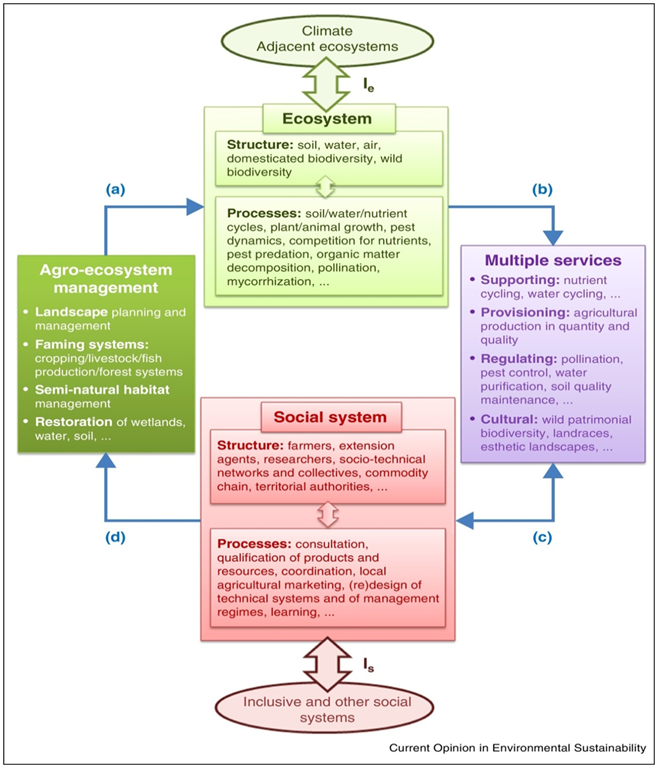
Agro-ecology is an integrated approach that simultaneously applies ecological and social concepts and principles to the design and management of food and agricultural systems. It seeks to optimize the interactions between plants, animals, humans and the environment while taking into consideration the social aspects that need to be addressed for a sustainable and fair food system.

Agro-ecology is not a new invention. It can be identified in scientific literature since the 1920s, and has found expression in family farmers’ practices, in grassroots social movements for sustainability and the public policies of various countries around the world. More recently, agro-ecology has entered the discourse of international and UN institutions.
In a context of a changing climate and growing concerns for more healthy food systems, agro ecology is gaining momentum as a scientific discipline, sustainable farming approach and social movement. There is growing anecdotal and case study evidence of its multiple benefits, from climate

resilience to farm productivity. Yet its promotion in public agricultural policies, research and extension is still limited.

 It calls for consolidating the evidence base for agro ecology through multi-dimensional tools that not only measure yields, but also its many other benefits. Economic, Environmental and Social. Mainstreaming agro ecology will require a fundamental cultural and philosophical shift in how we as a society define ‘productive’ and ‘efficient’ agriculture.
NEST  has following 10 steps to address the services on agro-ecological services :-
1. DIVERSITY
  Diversification is key to agro-ecological transitions to ensure food security and nutrition while conserving, protecting and enhancing natural resources.  
2. CO-CREATION AND SHARING OF KNOWLEDGE  
  Agricultural innovations respond better to local challenges when  they are co-created through participatory processes.  
3. SYNERGIES  
  Building synergies enhances key functions across food systems,supporting production and multiple ecosystem services.  
4. EFFICIENCY  
  Innovative agro-ecological practices produce more using less external resources.  
5. RECYCLING  
  More recycling means agricultural production with lower economic and environmental costs.  
6. RESILIENCE
  Enhanced resilience of people, communities and ecosystems is key to sustainable food and agricultural systems  
7. HUMAN AND SOCIAL VALUES
  Protecting and improving rural livelihoods, equity and social well-being is essential for sustainable food and agricultural systems.  
8. CULTURE AND FOOD TRADITIONS
  By supporting healthy, diversified and culturally appropriate diets, agro-ecology contributes to food security and nutrition while maintaining the health of ecosystems.  
9. RESPONSIBLE GOVERNANCE
  •Sustainable food and agriculture requires responsible and •effective governance mechanisms at different scales – from local to national to global.  
10. CIRCULAR AND SOLIDARITY ECONOMY
  Circular and solidarity economies that reconnect producers and consumers provide innovative solutions for living within our planetary boundaries while ensuring the social foundation for inclusive and sustainable development.  
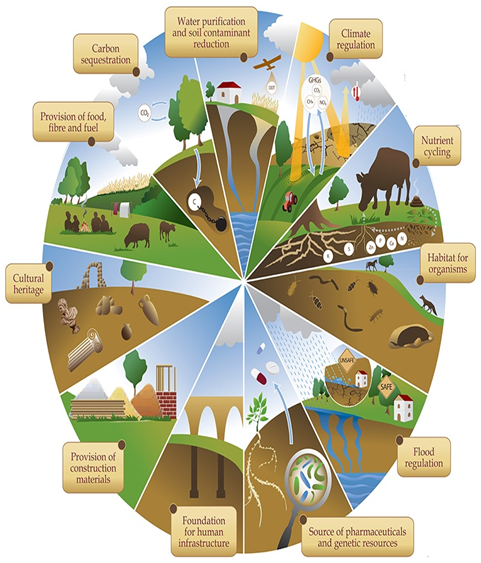
NEST  has offered   interlinked  relationship services on regulating , provisioning, cultural and agricultural

 Regulating Services

Provisioning  services

Cultural services

Agricultural Practices

Air  flow regulations

Biomass based energy

Aesthetic values

Complex   landspares


Carbon

Fiber

Cultural heritage

Cover crops

Climate regulation

Fodder

Environmental education

Crop diversification

Erosion protection

Food

Inspiration

Field margins

Pest control

Genetic  material

Recreation

Livestock  combinations

Soil fertility

Medicinal resources

Relax

No/light tillage

Seed dispersal

Ornamental resources

Scientific  knowledge

No/natural fertilizer

Pollination

Raw Material

Sense of Place

No/natural herbicides

Waste  treatment

Timber

Tourism

No/natural pesticides

Water flow regulations


Traditional ecological knowledge

Residue retention on soil

Leave Your Comment

51/103 MOO 4, PHETKASEM ROAD, SAMPRAN NAKHON PHATHOM, THAILAND 73110
Opening Hours:

Mon – Sat: 8.00 am – 7:00 pm

BEST CHOICE PRODUCTS

PRODUCT CATEGORY

WE ARE SOCIAL